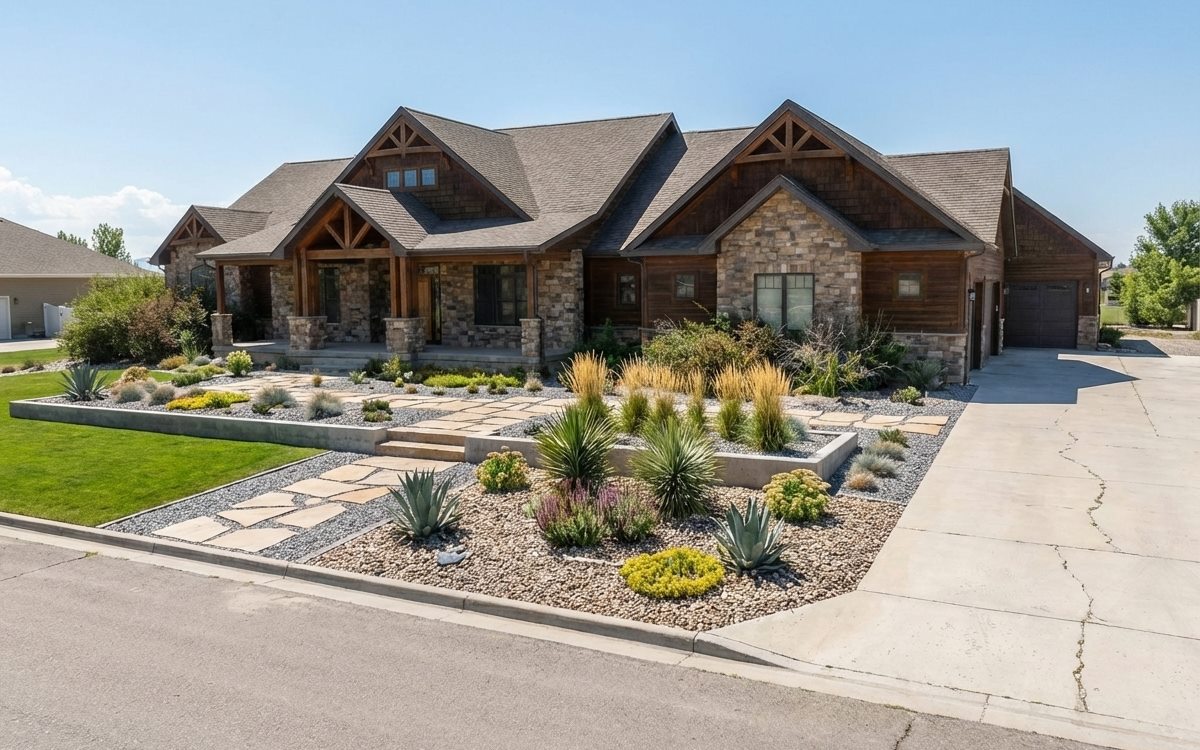
Most people want a yard that looks great. Most people also don't want to spend every weekend maintaining it. The good news is those two goals aren't in conflict. Low-maintenance landscaping isn't about having less; it's about choosing smarter.
Start With the Right Plants
The number one reason yards become high-maintenance is planting things that don't belong in your climate. A plant that thrives naturally in your zone needs less water, less fertilizer, and less babying.
Native plants are the foundation of low-maintenance design. They've adapted to your local soil, rainfall, and temperature patterns over thousands of years. Once established, they largely take care of themselves.
Some reliable low-maintenance categories by region:
- Southeast: Muhly grass, lantana, black-eyed Susan, yaupon holly
- Northeast: Ferns, coneflower, winterberry, switchgrass
- Southwest: Agave, desert marigold, red yucca, Texas sage
- Pacific Northwest: Oregon grape, salal, sword fern, lavender
Reduce Lawn, Increase Beds
Lawns are the highest-maintenance element in most yards. They need weekly mowing, regular fertilizing, watering, and edge work. Every square foot of lawn you convert to planted beds, gravel, or hardscape is square footage you stop maintaining on a schedule.
This doesn't mean eliminating grass entirely. But consider: does your backyard need a full lawn, or would a smaller turf area surrounded by garden beds and a patio actually work better for how you use the space? If the lawn you're keeping still goes soggy after every storm, the answer may be a planted basin rather than more drainage pipe — see rain garden drainage ideas.
Use Groundcovers Instead of Mulch
Mulch needs refreshing every year. Groundcover plants, once established, spread to fill bare soil and suppress weeds on their own. They look better than mulch and improve over time instead of degrading.
Great groundcover options:
- Creeping thyme: Handles foot traffic, smells great, stays under 3 inches
- Ajuga: Dense purple-green foliage, spreads fast in shade
- Sedum: Drought-tolerant, succulent-like leaves, works in hot dry spots
- Pachysandra: Evergreen, thrives in full shade where grass won't grow
Hardscape Strategically
Patios, pathways, gravel areas, and retaining walls are zero-maintenance after installation. They also add structure and usable space.
The key is balance. An all-hardscape yard feels sterile. But using hardscape to define zones, create paths, and reduce weed-prone areas makes the remaining planted sections more manageable and more impactful.
Gravel gardens are a particularly good option for dry climates. A layer of decorative gravel with drought-tolerant plants scattered through it looks intentional and modern while requiring almost no upkeep.
A gravel pad is also the cheapest way to anchor an outdoor feature you'll actually use — most of the backyard fire pit designs worth building start with one. Contractors pitching a low-maintenance conversion can show the client the gravel-and-grasses version on their own yard photo with YardRemix Pro, which tends to end the "won't that look bare?" conversation quickly.
See this idea on your own yard photo.
YardRemix turns a quick photo into AI yard concepts, so you can compare layouts, plants, patios, lighting, and budget-friendly options before you start digging.
Group Plants by Water Needs
If you do water manually or with a sprinkler system, grouping plants by water needs (called hydrozoning) prevents both overwatering and underwatering. Put thirsty plants together in one zone and drought-tolerant plants in another.
This sounds obvious, but most home landscapes mix water needs randomly, which means some plants are always getting too much or too little.
Automate What You Can
A drip irrigation system on a timer is the single biggest time-saver for any garden. It waters consistently and efficiently, uses less water than sprinklers, and means you never have to drag a hose.
Basic drip kits for garden beds start around $30-50 and connect to an outdoor faucet with a battery-powered timer. Setup takes an afternoon.
Design With Year-Round Structure
The best low-maintenance yards look good in every season because they rely on structural elements, not just flowers. Evergreen shrubs, ornamental grasses, interesting bark textures, and hardscape features carry the design through winter when perennials are dormant.
Plan for at least 50% of your visible plantings to be evergreen or have strong winter interest. This way your yard never has that bare, empty look. Evergreen structure pulls double duty as screening, too — several of the backyard privacy ideas that don't need a fence are just this principle applied to a sightline.
Try Before You Plant
Planning a new landscape from scratch, or even converting a high-maintenance yard to a low-maintenance one, involves a lot of decisions. What will it actually look like when the gravel replaces the lawn? How will the new garden bed feel next to the patio?
Yard Remix lets you upload a photo of your current yard and experiment with different design directions using AI. It's a fast way to explore ideas, compare low-maintenance styles, and see what works in your specific space before committing to plants and materials.
Common questions
What is the lowest-maintenance landscaping option?
A gravel or mulched bed planted with natives suited to your climate, edged with hardscape. It needs no mowing, little watering once established, and no annual replanting.
Does low-maintenance landscaping mean no lawn at all?
No. It usually means a smaller, better-shaped lawn. Keeping turf only where you actually use it — a play area, a dog run — and converting the rest to beds cuts mowing time without making the yard feel bare.
How long before a low-maintenance yard is actually low-maintenance?
Plan on one to two full growing seasons. New plantings need watering and weeding while roots establish; after that a well-chosen native bed largely runs itself.
Turn the idea into a visual plan before you spend a weekend on it.
Open YardRemix in your browser or grab the free app, snap a photo, and test yard designs with AI. It is a faster way to compare styles, avoid expensive guesses, and share a clearer direction with a contractor or helper. Running the job yourself? YardRemix Pro puts your logo on every render.